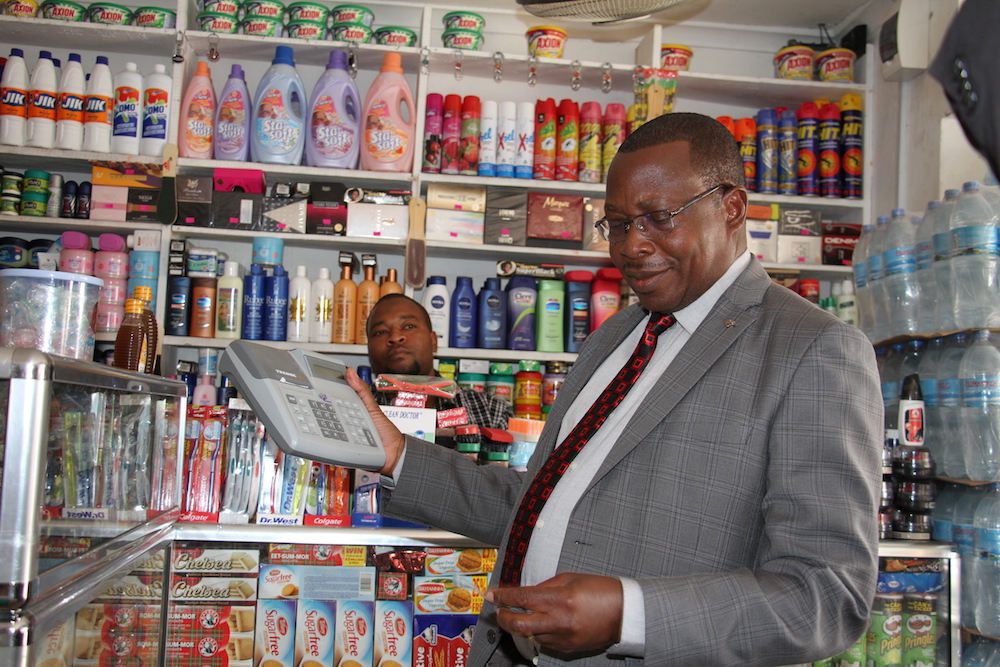
Establishing a grocery shop is one of the best business ideas because it can generate sales much faster than many other businesses during the early stages.
Unlike supermarkets, many Tanzanians still prefer buying household essentials from grocery shops and local markets. As a result, starting a grocery business offers better long-term sustainability compared to many other small businesses.
Many successful entrepreneurs started with small household goods shops before expanding into fully stocked grocery stores as they built more capital.
I have witnessed many Tanzanians invest in this business and become successful because consumer goods are in constant demand. Since these products are used every day, grocery shops have a reliable customer base.
Selling consumer goods performs well in almost every location, including remote areas. However, success also depends on building good relationships with local customers. Tanzanians, like people everywhere else, appreciate excellent customer service and good value for money when making purchases.
Here is a complete guide to establishing a grocery shop in Tanzania.
Prepare a Business Plan
Before starting any business, it is important to prepare a business plan. A business plan serves as the roadmap for your business, guiding it from the startup stage toward long-term success.
A business plan for a grocery shop should include the following:
Executive Summary
Summarize your entire business idea, including the products you intend to sell, startup costs, target customers, location, and future goals. This provides a clear overview of your business direction.
Products to Be Sold
Prepare a list of products you intend to sell based on your target market. In Tanzania, household essentials and daily consumer goods are among the most demanded products, making them an excellent choice for a grocery business.
Business Goals and Objectives
Clearly define your goals and objectives instead of copying them from another business plan. Although grocery products are always in demand, having clear objectives will help you stay focused and grow your business successfully.
Financial Plan
Prepare a financial plan showing your expected startup costs, sales, expenses, and projected profits. This helps you avoid financial mistakes and ensures your business remains profitable. Conduct market research and speak with wholesalers to estimate your costs accurately.
Management Plan
Decide whether you will manage the business yourself or hire employees.
During the early stages, it is advisable to manage the business yourself. This allows you to understand customer behavior, product demand, and daily operations while minimizing expenses.
As your customer base grows, you can hire additional staff to improve customer service and avoid losing potential sales.
Exit Strategy
Many grocery shop owners in Tanzania fail to grow because they do not have an exit strategy. They remain retailers for many years without expanding into wholesale distribution or manufacturing.
Successful entrepreneurs such as Said Salim Bakhresa built large business empires because they planned for long-term growth.
Without an exit strategy, you may spend your entire life operating a small retail business. If you become sick or face financial difficulties, the business may struggle or even fail. Planning for expansion into wholesale, distribution, or manufacturing gives your business a greater chance of long-term success.
Implement Your Business Plan
Once your business plan is complete, it is time to put it into action.
Choose a strategic location with high customer traffic, especially residential areas where people regularly purchase household necessities. Grocery shops located in residential neighborhoods often generate higher sales at the retail level.
If you intend to operate as a wholesaler, consider opening your business near major local markets where retailers can easily access your products.
Register Your Business with the Local Authority
In Tanzania, small businesses can begin operating before obtaining a business license, subject to the applicable government regulations.
This policy allows new businesses to establish themselves before taking on additional compliance costs such as business licenses, taxes, service levies, and VAT.
However, business owners should always ensure they comply with the latest legal requirements as their businesses grow.
Register Your Business Name with BRELA
As your business grows and gains more customers, register your business with BRELA.
Registering your business provides legal recognition, protects your business name, improves your brand image, and increases customer confidence.
A registered business also has better opportunities to obtain bank loans, attract investors, and expand into wholesale operations or other larger business ventures.
Expand Your Business
Once your business has established a loyal customer base, expand by increasing your product range and improving customer service.
Hire additional staff when necessary to improve efficiency and customer satisfaction.
You can also grow by adding wholesale operations alongside your retail business. This increases sales, improves profit margins, and allows you to focus more on managing the business rather than handling daily operations yourself.
Register a Company
As your wholesale business continues to grow and supplies more retailers, consider registering it as a company.
Operating as a company opens opportunities for larger investments, partnerships, financing, and expansion into manufacturing.
Many successful Tanzanian companies, such as Mohamed Enterprises and Bakhresa Group, started as small trading businesses before expanding into large manufacturing and distribution companies.
With proper planning, your grocery business can eventually grow into a company that supplies products across Tanzania and even international markets.
Final Thoughts
I have seen many entrepreneurs in Tanzania succeed after opening grocery shops because consumer goods are always in demand. However, many fail to grow beyond the retail stage because they lack a long-term expansion strategy.
Many retailers become comfortable operating small shops and never pursue wholesale, distribution, or manufacturing opportunities.
If you prepare a solid business plan, provide excellent customer service, and continuously reinvest your profits, a small grocery shop can grow into a successful enterprise that creates long-term wealth and employment opportunities.