Agriculture is the backbone of the Tanzanian economy, as the vast majority of the population depends on it for both household subsistence and commercial business purposes.
Tanzania is well known among East and Southern African nations for exporting major grains to neighboring countries, including Malawi, Zambia, Kenya, Burundi, and the Democratic Republic of the Congo.
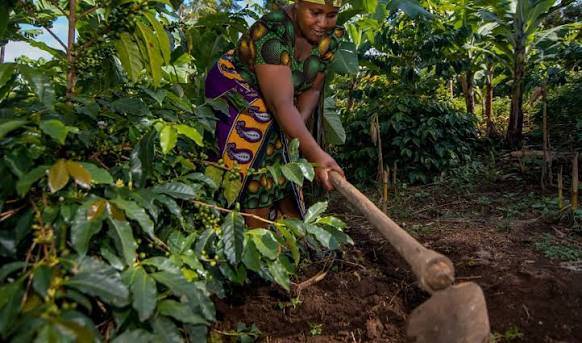
Coffee is one of the top cash crops produced in Tanzania, generating significant export revenue from both regional and international markets. The Tanzanian government has established dedicated systems to purchase coffee from both smallholder and large-scale farmers at competitive prices, benefiting both the national economy and local producers.
Tanzanians are generally not accustomed to drinking coffee; most prefer tea. As a result, the country relies heavily on foreign markets to generate income from this crop. Western and Asian countries have strong coffee-drinking cultures, making them the primary target markets for Tanzanian coffee exports. Overall, Tanzania produces major commercial crops—such as coffee, wheat, cashews, cocoa, and various grains—that boost the economy and improve living standards at all levels.
Best Places for Coffee Farming in Tanzania
- Ruvuma: Ruvuma is one of the leading agricultural regions in the country. Coffee production in this region is concentrated mainly in Mbinga District, where fertile soils make it a top producer of high-quality coffee. Beyond farming, Mbinga also hosts processing companies that produce consumer-ready coffee. Songea also features favorable soil conditions, attracting both local farmers and foreign investors to the region.
- Mbeya: Following Ruvuma, Mbeya features rich, highly fertile soil ideal for agricultural activities. Although Mbeya serves as a major commercial center, it is also a vital agricultural hub for grain and crop production. Notably, Mbeya is among the few areas in Tanzania that produce cocoa alongside coffee and other major crops, making it an attractive region for agricultural investment.
- Kilimanjaro: The high-altitude volcanic slopes around Mount Kilimanjaro and Mount Meru offer excellent growing conditions for coffee, attracting numerous commercial farmers and estates.
- Kagera: Located near Lake Victoria, Kagera produces significant quantities of coffee. Alongside its high volume of banana production, the region exports large amounts of coffee, supported by investments from both local farmers and foreign companies.
Final Thoughts
Coffee thrives in the cooler, higher-altitude climates of the Southern Highlands (such as Ruvuma and Mbeya), as well as in the Kilimanjaro and Kagera regions. Based on research I conducted in Ruvuma and Mbeya, these areas continue to draw substantial investment from both domestic entrepreneurs and international companies looking to capitalize on Tanzania’s coffee potential.