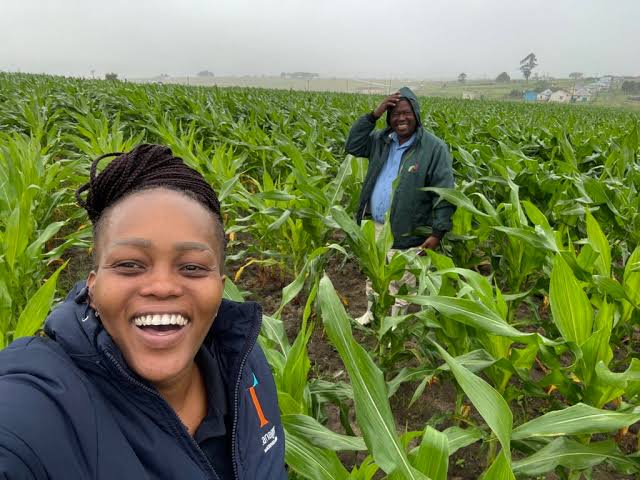
Agriculture is the backbone of the Tanzanian economy, with a vast number of entrepreneurs depending on it to fund and run other businesses.
In Tanzania, the availability of land creates significant opportunities for both local and foreign investors to engage in agriculture, supported by cheap, reliable labor and a low cost of living compared to neighboring countries. The country is well known for its agricultural output, feeding neighboring nations such as Kenya, Zambia, and Malawi. Tanzanian soil—especially in the Southern Highlands—is among the best in the nation for growing crops that feed the entire country.
Tanzanians predominantly eat Ugali, much like Kenyans, which creates a huge market opportunity for maize farming. The Southern Highlands region offers superior soil conditions for maize compared to other parts of the country, which is why many entrepreneurs focus their agricultural efforts there.
Top Southern Highland Regions for Maize Farming
- Ruvuma: Ruvuma has led the nation in maize production for many years, as most residents in this area rely on farming for their livelihood. Songea and Madaba contribute the largest percentage of grain produced in the region. Agricultural land is available at low prices compared to other areas, making it an attractive destination for entrepreneurs.
- Rukwa: Rukwa, particularly Sumbawanga, features fertile land that presents excellent opportunities for commercial farming. Rukwa ranks second in national maize production after Ruvuma. Like Ruvuma, Rukwa experiences predictable seasonal rainfall that favors high-yield grain production to meet strong market demand.
- Mbeya: Mbeya is one of the key urban centers in Tanzania heavily dependent on agricultural trade. It produces significant quantities of maize, supplying the local region, the nation, and export markets. Its location along the transit route to Zambia and Malawi makes Mbeya an ideal trading hub for grain, prompting many investors to secure farmland nearby.
- Katavi: Katavi ranks among the top producers of maize in the region. Its substantial grain output helps feed the northern parts of Tanzania, alongside other Southern Highland territories.
- Iringa: Iringa is another prime location for maize farming due to its favorable weather conditions in many areas. Like its neighboring regions, Iringa relies heavily on agriculture. Its maize yields fulfill local demands and generate surpluses to feed regions less suitable for farming.
Final Thoughts
If you intend to establish a commercial maize farming business, the Southern Highlands regions offer the best potential. Having conducted research on maize farming in Songea, I have seen firsthand how small and medium-sized business owners turn to agricultural ventures as an alternative way to generate capital and finance their ongoing enterprises without relying on loans.