Tanzania is well known for its farming activities, more so than for other businesses. This is why the country has the slogan “Kilimo ni mgongo wa taifa” (Agriculture is the backbone of the nation), which highlights farming’s vital role in boosting both national income and per capita income.
Many Tanzanians depend on farming because of the availability of vast areas of land suitable for various types of agriculture. Thanks to this abundance of arable land, hunger is less prevalent than in neighbouring countries, as most citizens are able to produce their own food through agriculture.
Farming serves both commercial and subsistence purposes, making it particularly effective in developing countries like Tanzania. Although agriculture is the backbone of the Tanzanian economy, starting a successful farming business requires proper guidance. This article provides that guidance.
Forms of Farming in Tanzania
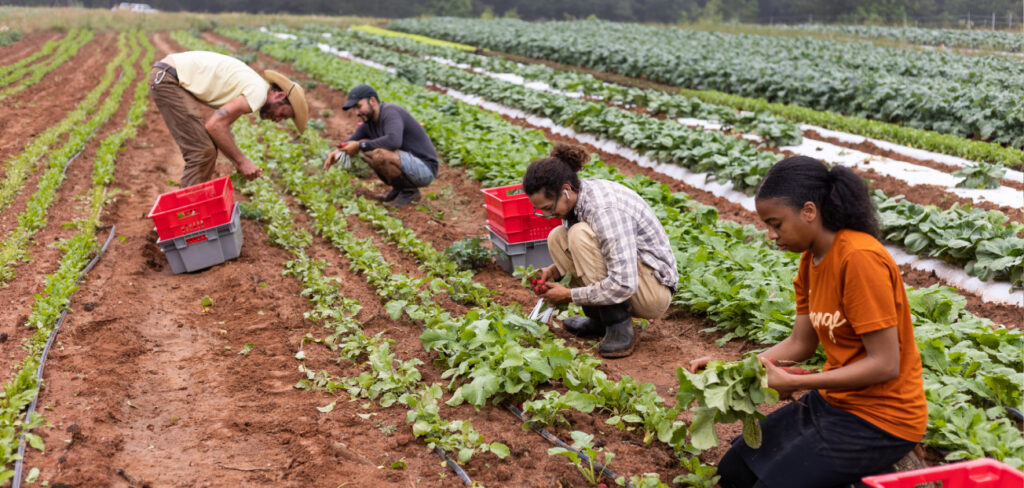
1. Local (Traditional) Farming Most farmers in Tanzania still practise traditional farming methods, which rely heavily on manual labour. This includes land preparation, planting, and harvesting. The method requires a significant number of workers and considerable effort compared to modern farming. It is also more time-consuming, especially when the labour force is limited relative to the size of the farm.
2. Modern Farming A smaller number of farmers — particularly those with large land holdings — use modern techniques. Modern farming relies on advanced tools and equipment such as tractors, planters, and other machinery to speed up land preparation, planting, and harvesting.
When establishing a farming business in Tanzania, you must choose the farming method that best aligns with your goals. Below are the recommended steps for starting a successful farming venture:
Steps to Establish a Farming Business
1. Prepare a Farming Idea It is essential to identify a strong farming idea that aligns with your vision. Conduct thorough research on the specific crop you wish to grow. Evaluate factors such as market demand, profitability, and cost per acre. Many Tanzanians choose maize because it is widely practised and has a ready market.
2. Choose the Right Location Selecting a suitable location is critical. Conduct research using reliable sources to identify the best regions for your chosen crop. For example:
- Maize: Ruvuma, Mbeya, Rukwa, Sumbawanga, and Iringa are excellent choices due to favourable weather conditions.
- Rice: Mbeya, Morogoro, and parts of Ruvuma and Sumbawanga.
- Ginger: Madaba in Ruvuma.
- Coffee: Ruvuma and parts of Mbeya.
3. Prepare a Financial Plan Once you have selected your crop and location, create a detailed financial estimate covering all costs. This includes seeds, fertilizers, labour, equipment, and other inputs. Proper financial forecasting is crucial, as agriculture requires significant investment despite being the backbone of the economy.
4. Choose the Right Farming Technique Based on your financial plan, decide which farming method to use. Beginners are advised to start with traditional methods, then gradually incorporate modern techniques as the business grows. For your first project, especially on a small scale, focus on learning and monitoring results rather than heavy investment in machinery.
5. Start Small Many successful farmers begin with a small plot — often one or two acres — to test soil fertility and crop performance before scaling up. In the first year, use minimal inputs on new land for trial purposes. In subsequent seasons or on proven land, you can combine techniques and invest more confidently.
Final Thoughts
Since agriculture is the backbone of income for most Tanzanians, it is important to invest sufficient effort and planning into your farming business. Tanzania’s abundant land and varied soil fertility allow you to choose suitable crops and even intercrop complementary plants without disturbing the main crop.
After proper research, many small and medium-scale entrepreneurs rely on agriculture because it helps build capital. As farming is seasonal, it does not necessarily conflict with other business activities, offering flexibility and strong income potential.