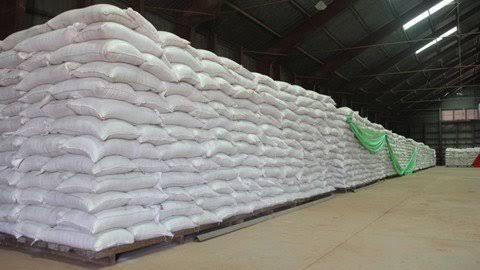
Establishing a maize business in Tanzania is an excellent choice for entrepreneurs with varying levels of capital, as maize is the most widely consumed daily staple grain in the country.
If you want to enter the grain trade, maize is the ideal crop to start with—even for beginners—thanks to the rapidly growing network of farmers across Tanzania’s Southern Highlands. Starting this business does not require massive capital; even small budgets can yield strong returns because market demand fluctuates directly with seasonal supply.
Before investing your time and money, follow this step-by-step guide to achieve your goals.
1. Choose Your Business Model
It is essential to align your business model with your vision and resources. In the maize industry, you can choose between two main paths:
- Become a Farmer: Producing the crop gives you two avenues for revenue: selling to resellers or selling directly to end consumers. Large-scale farming maximizes your earnings because you can store harvested grain in your warehouse and wait for optimal market prices.
- Become a Reseller (Grain Trader): Trading saves you from the time-consuming labor and climate risks of farming. Under this model, you maximize capital efficiency by purchasing maize directly from farmers at low post-harvest prices and reselling it later for a profit.
2. Prepare a Realistic Budget
- Budgeting for Resellers: Conduct market research to track prices immediately following the harvest season, when supply is high and farmers are eager to sell. Factor in all operational expenses, including government levies, transport fees, warehouse labor, and preservation chemicals to protect the stored grain.
- Budgeting for Farmers: Consult agricultural experts or experienced local growers before starting. Production costs include land purchase or leasing. In Tanzania, cultivating one acre of maize currently costs between Tsh 400,000 and Tsh 600,000, depending on location and proximity to market centers. This budget covers seed, fertilizer, field preparation, agricultural chemicals, and manual labor.
3. Select the Right Location
- For Resellers: Choose your warehouse location strategically. Setting up in high-demand urban centers like Dar es Salaam involves higher operational costs, but yields significantly higher profit margins compared to buying and storing in production regions like Ruvuma.
- For Farmers: Acquire land in high-yield regions where maize thrives, particularly across the Southern Highlands in Ruvuma, Mbeya, Rukwa, and Katavi.
Final Thoughts
From my personal experience in both maize and rice farming, your choice of business model, location, and budget are the critical determinants of success. A budget of Tsh 400,000 to 600,000 per acre is sufficient for farming.
If you choose reselling, purchasing white maize directly from farmers post-harvest costs around Tsh 350 per kilogram. Holding that stock until the dry or rainy season allows you to resell it for Tsh 700 or more per kilogram, effectively doubling your investment. For trading, your capital directly dictates your overall profit volume. Additionally, niche varieties like yellow maize offer even higher profit margins, retailing between Tsh 1,700 and Tsh 2,700 per kilogram depending on seed quality and market demand.